Your Cart is Empty
Flash Sale | Up To 50% OFF Selected Lines
Flash Sale | Up To 50% OFF Selected Lines
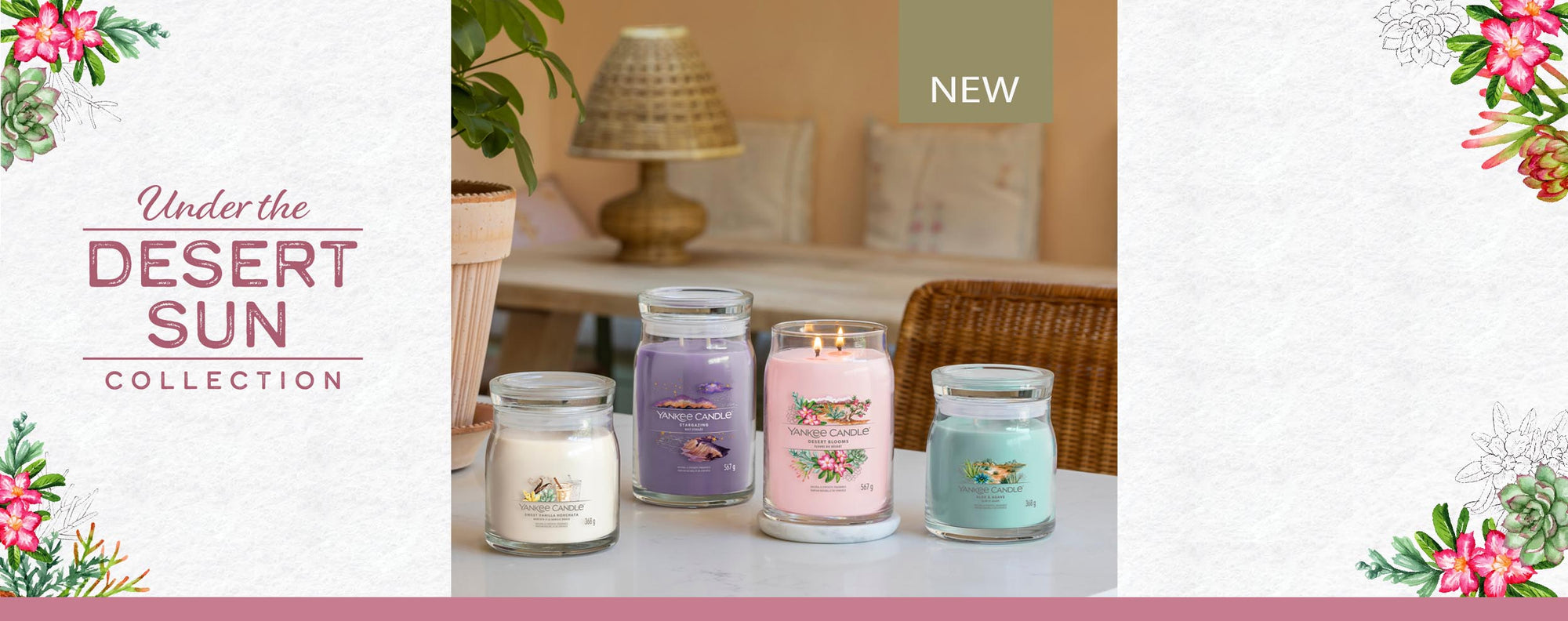
Satisfy your wanderlust as you experience the beauty of the desert with our latest collection.
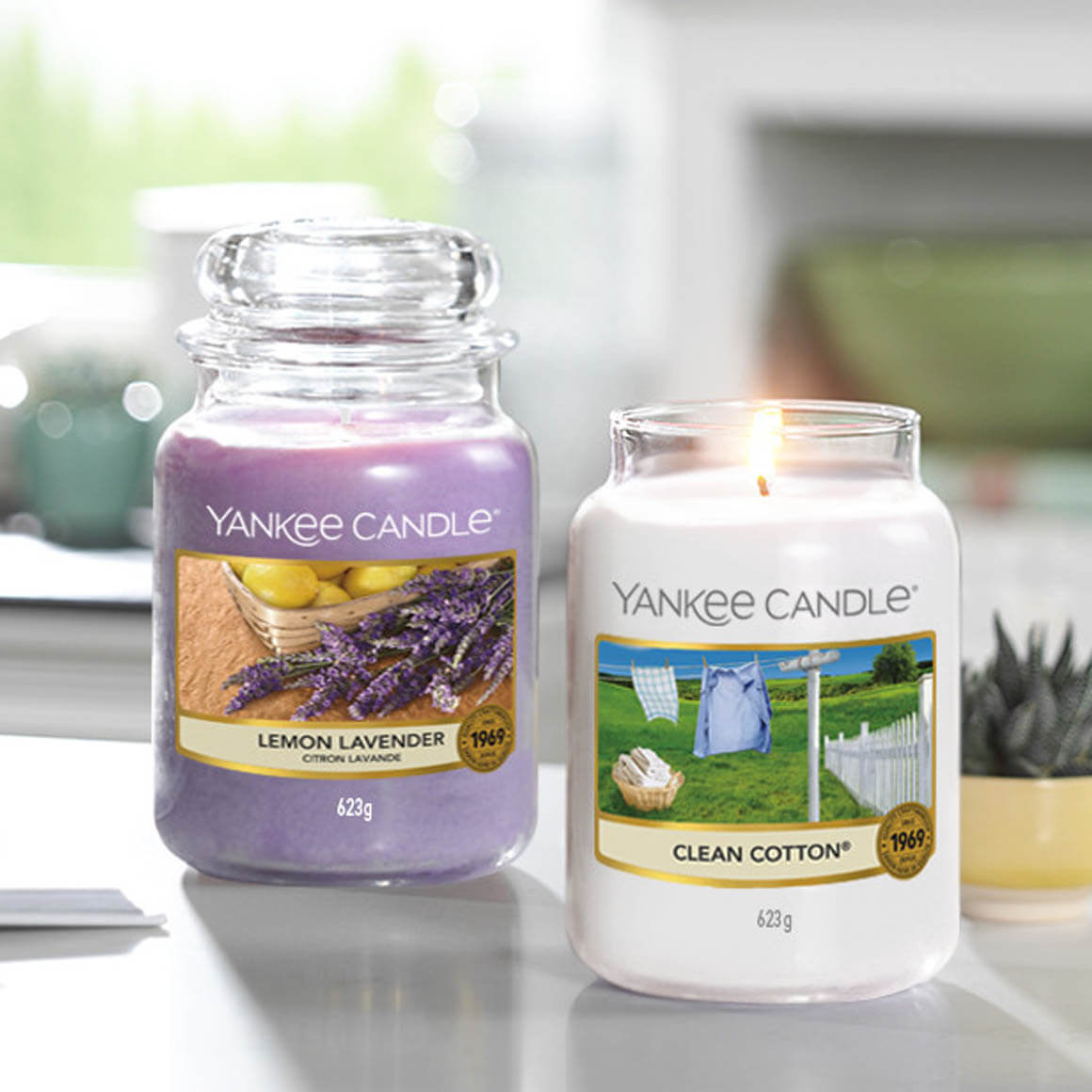
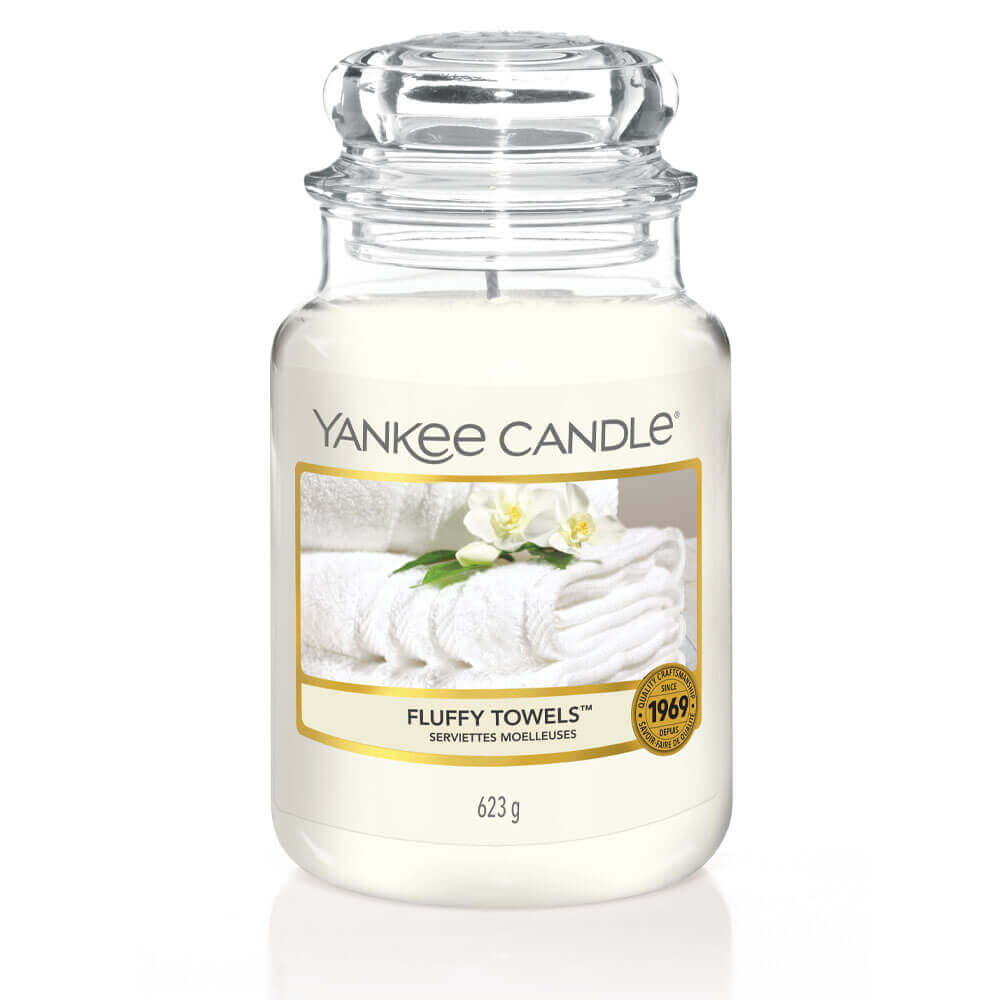
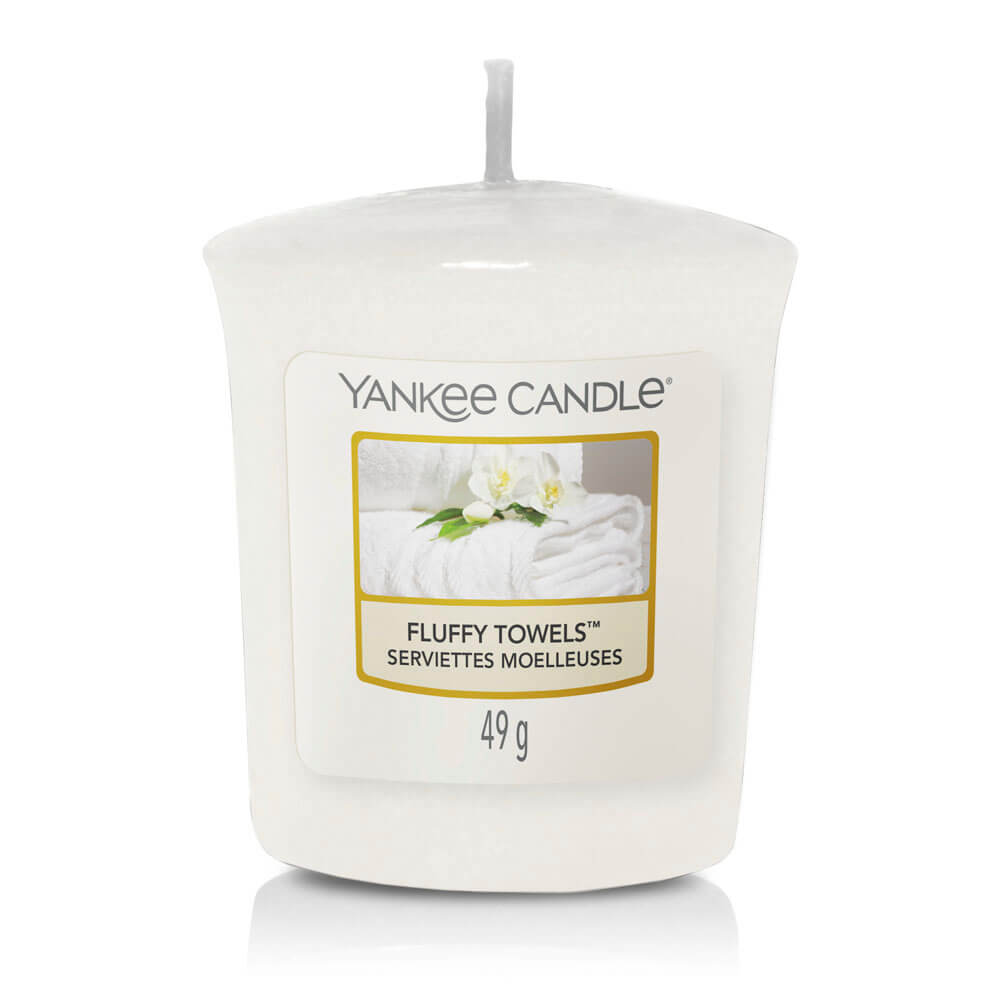
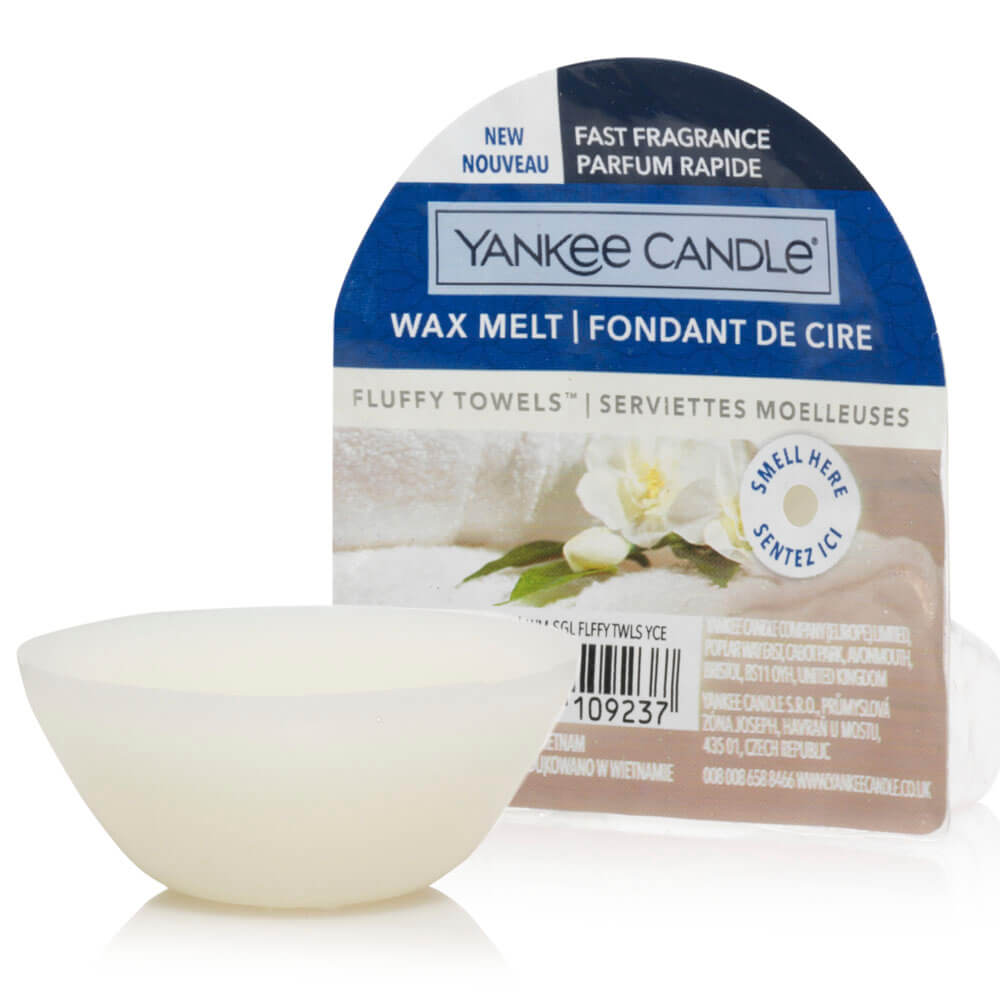
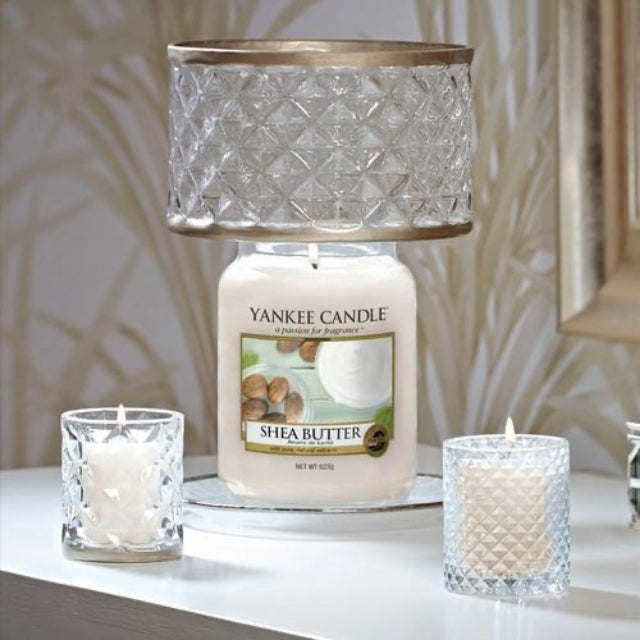
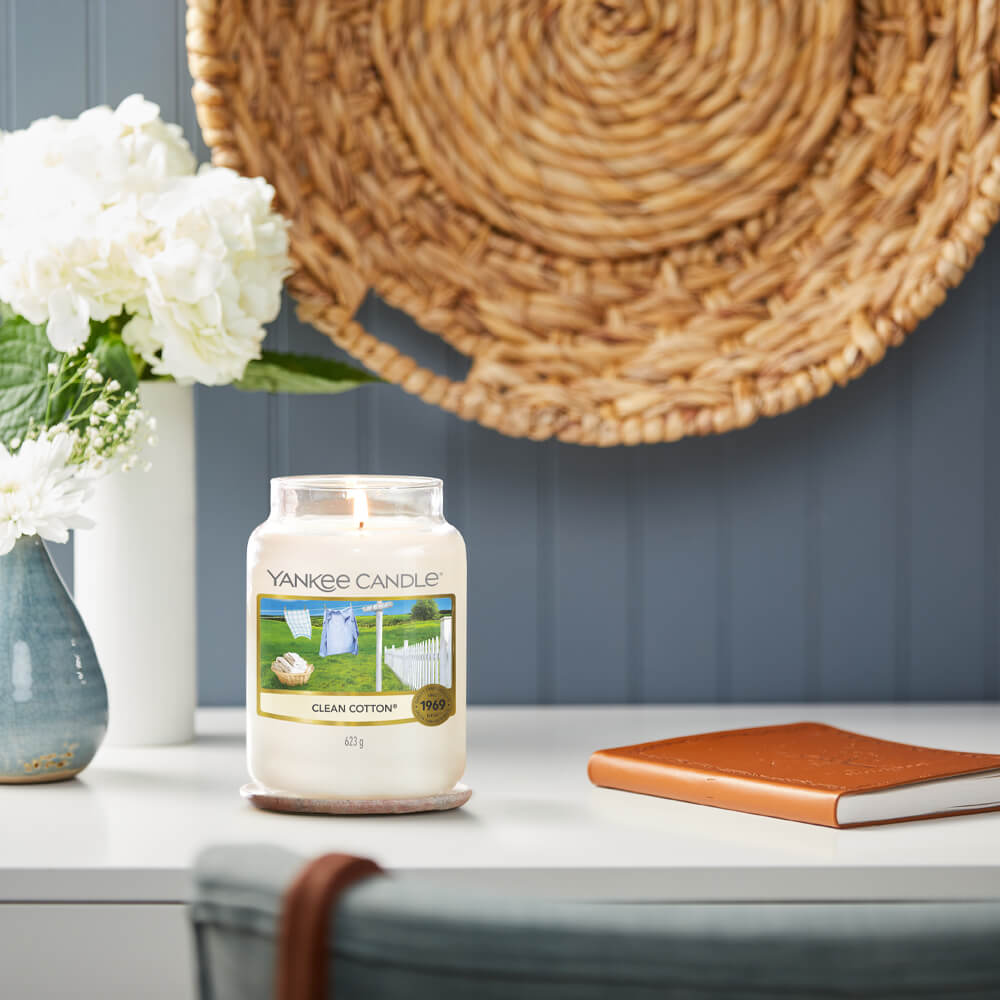
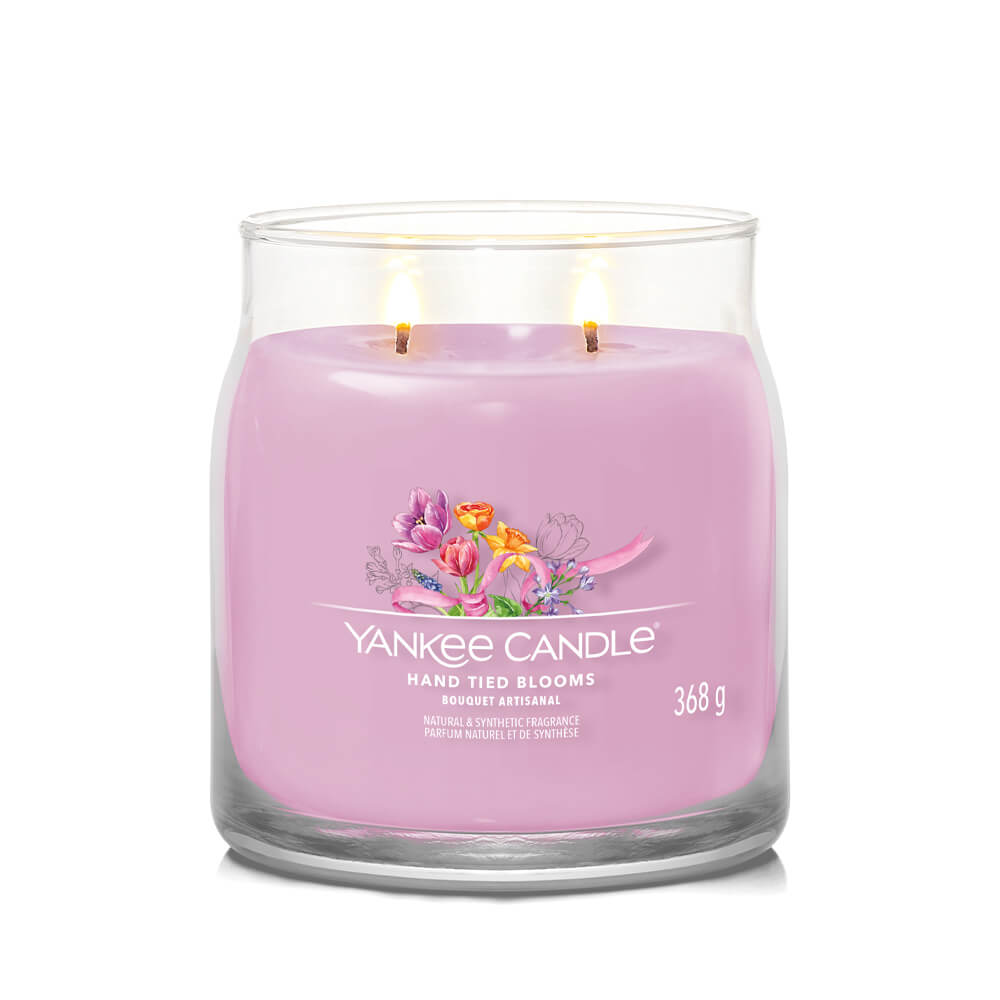
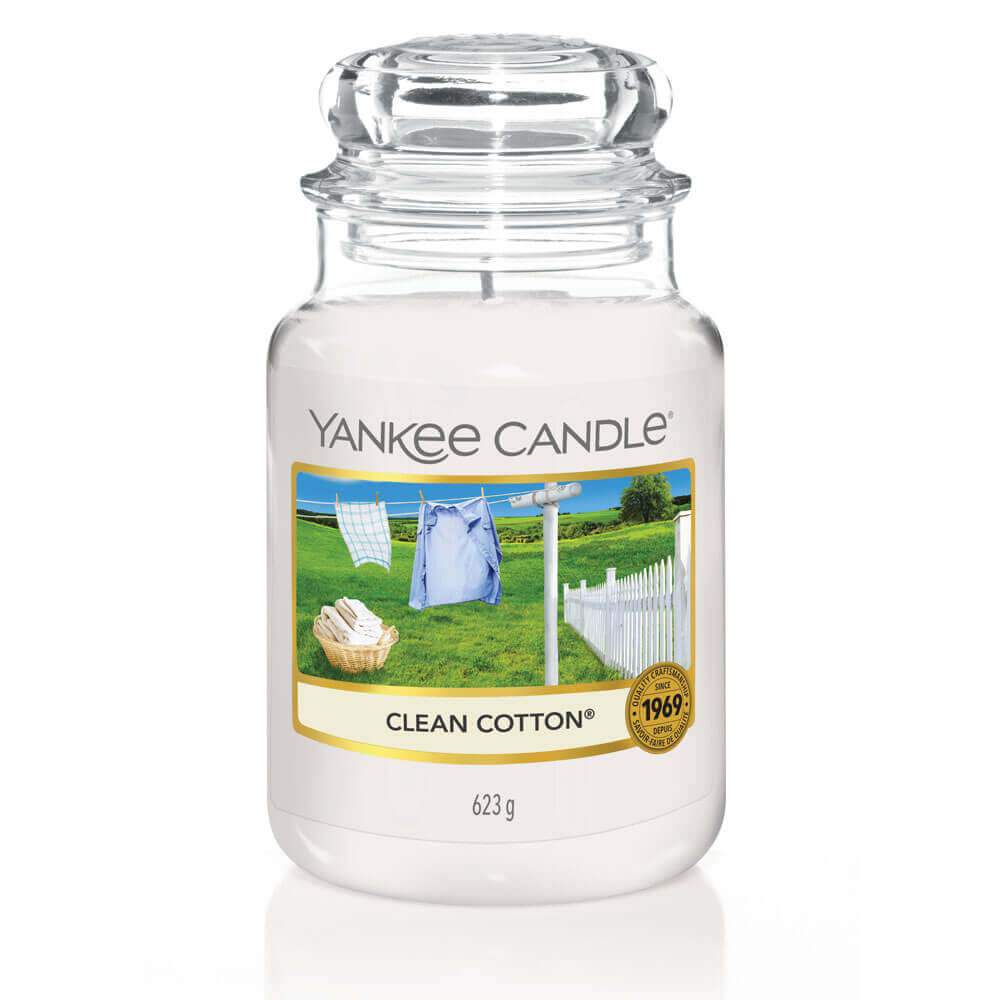
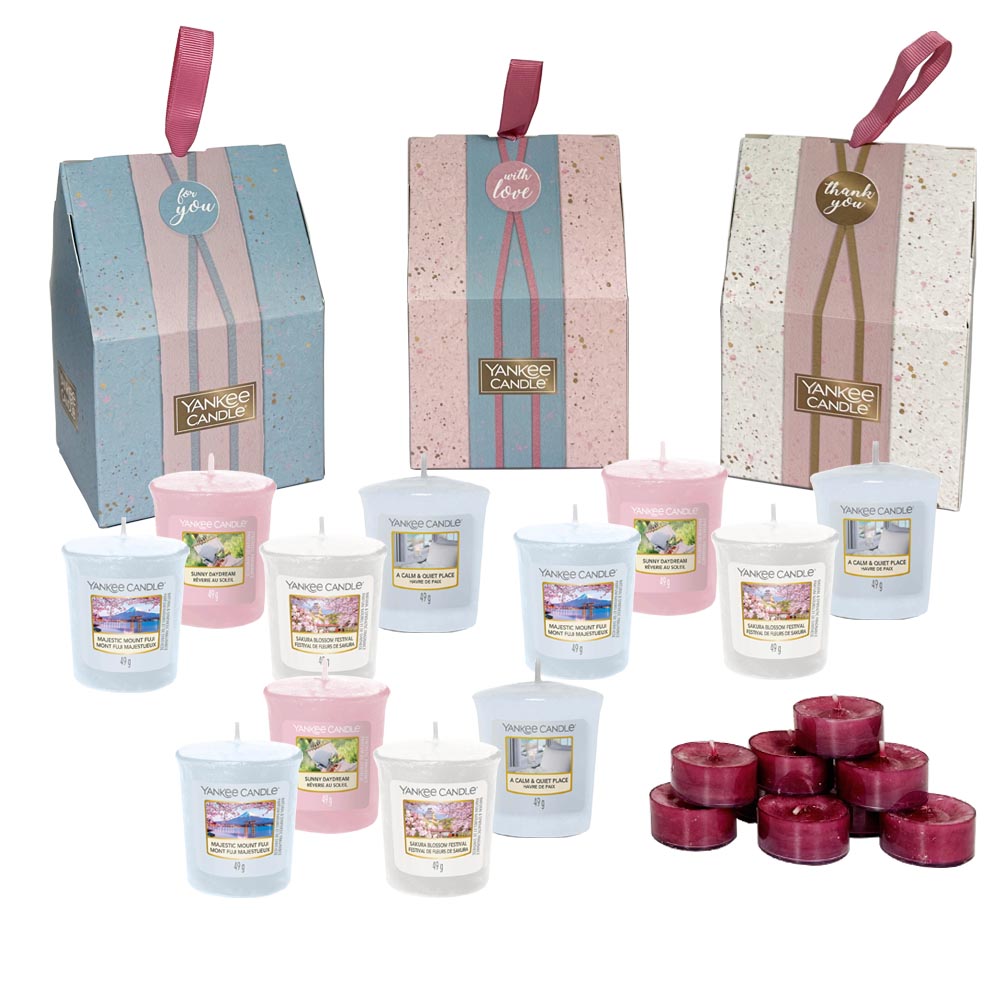
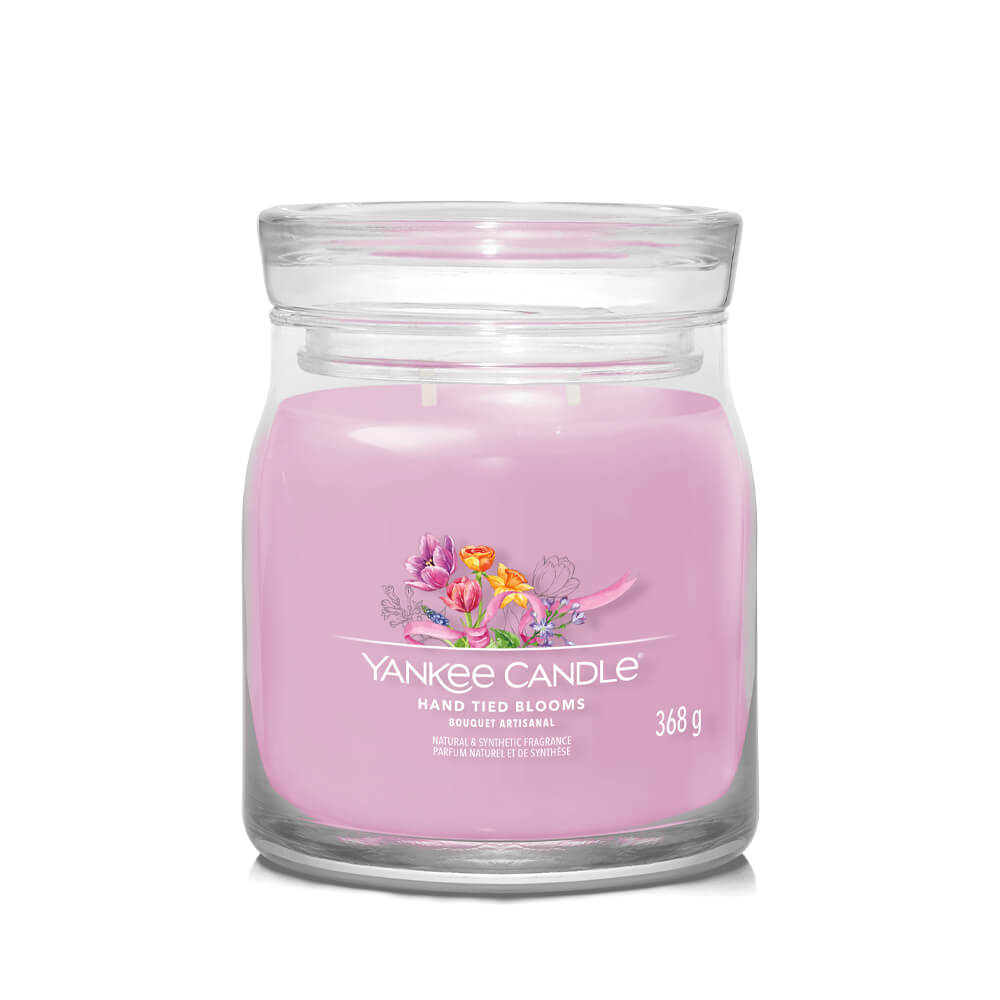
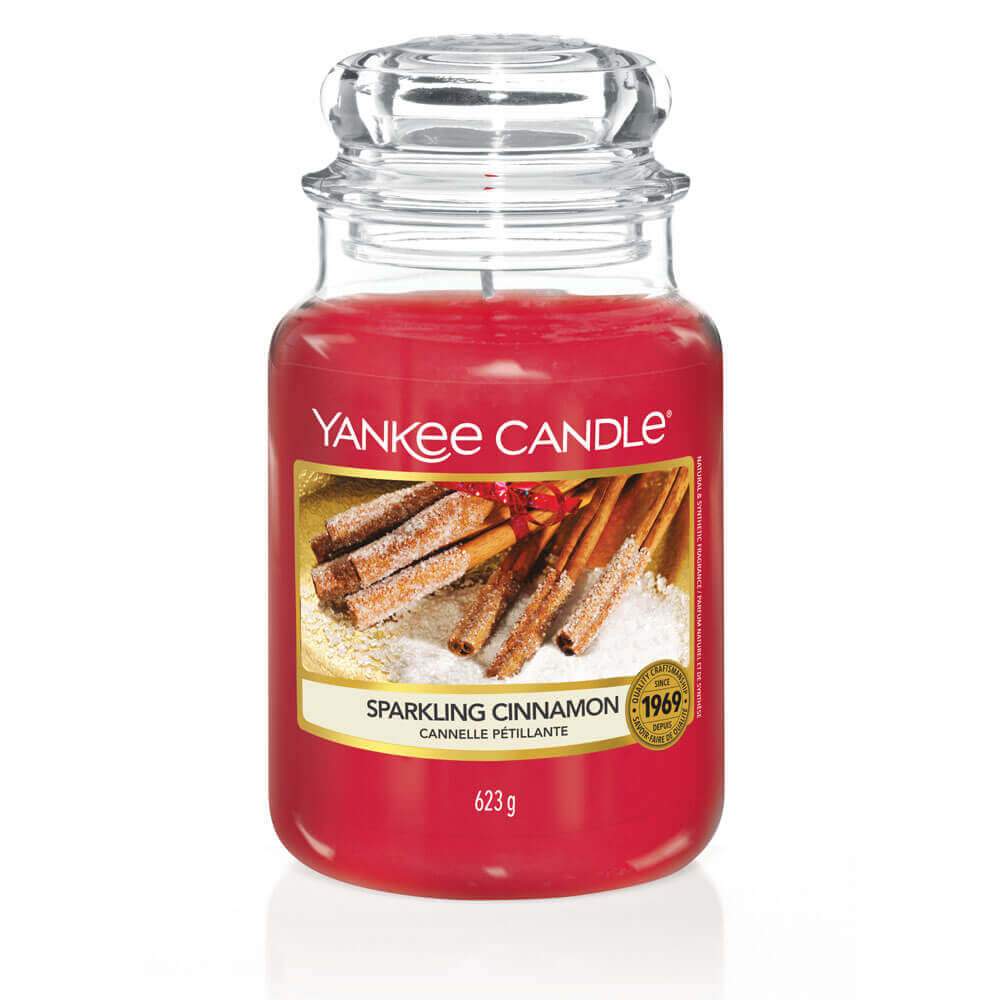
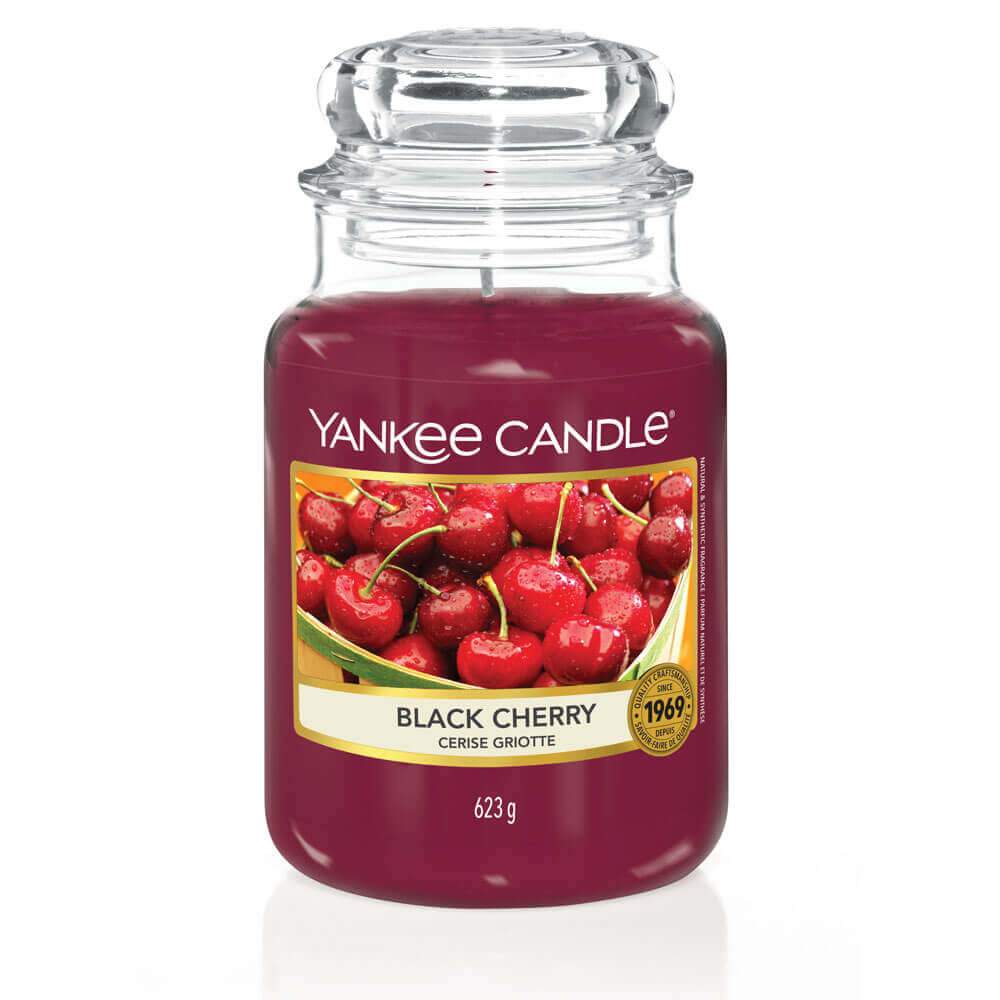
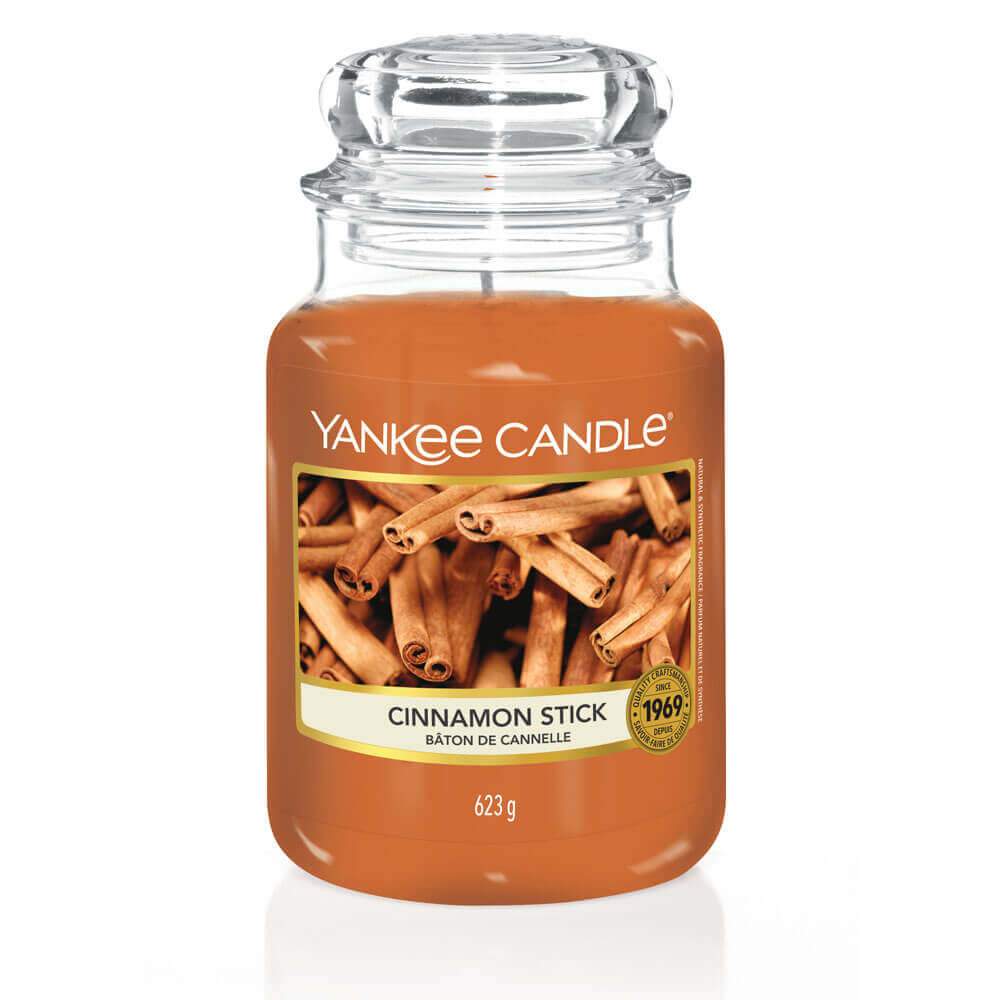
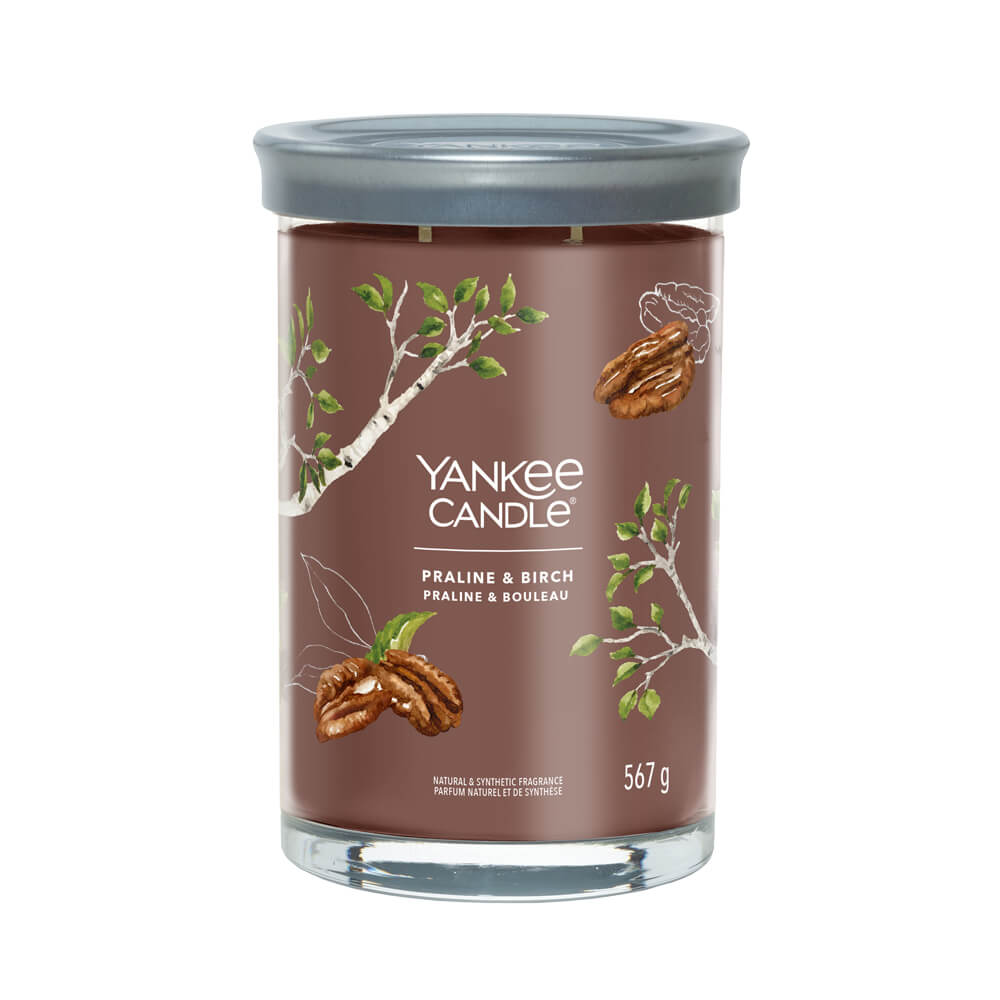
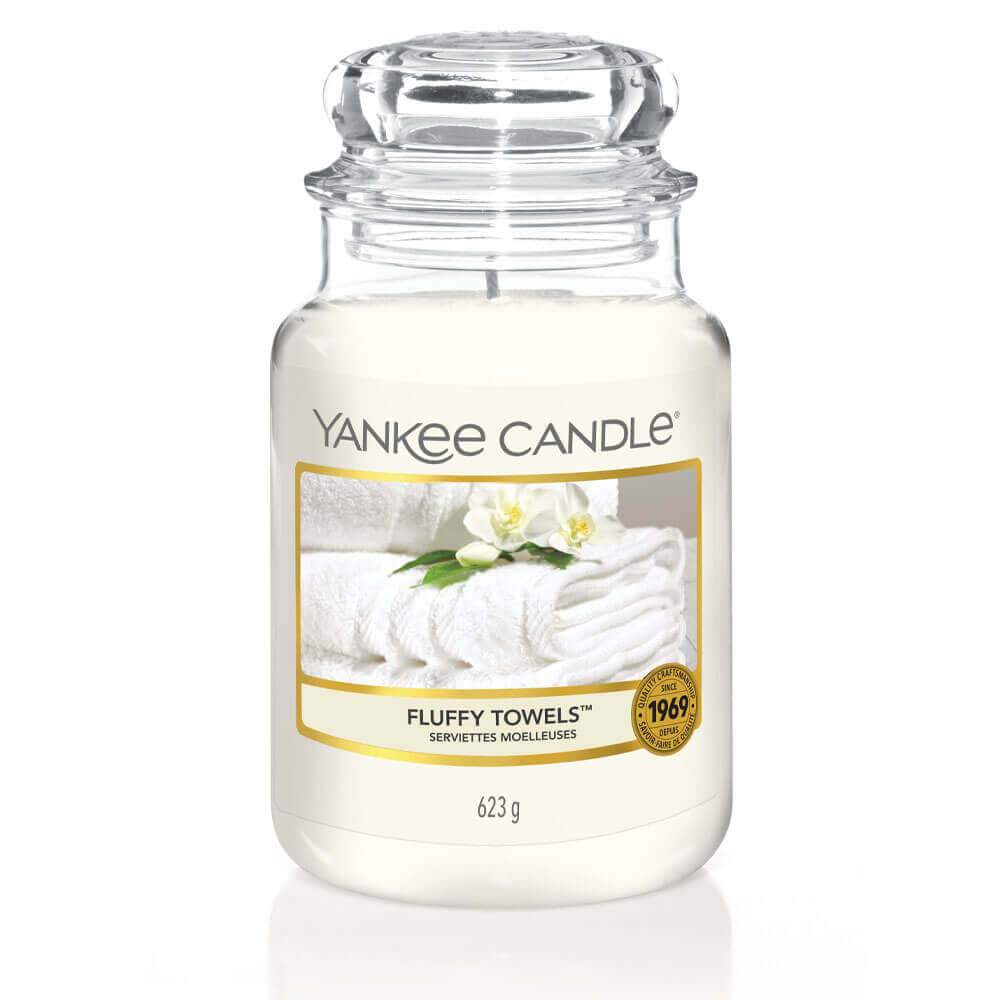
Yankee Candle - Made with quality ingredients from around the world, by master candlemakers using a wax blend & a unique wick. Every fragrance is rigorously screened, reviewed and tested by a highly experienced team of fragrance experts to achieve a strong fragrance and quality experience.
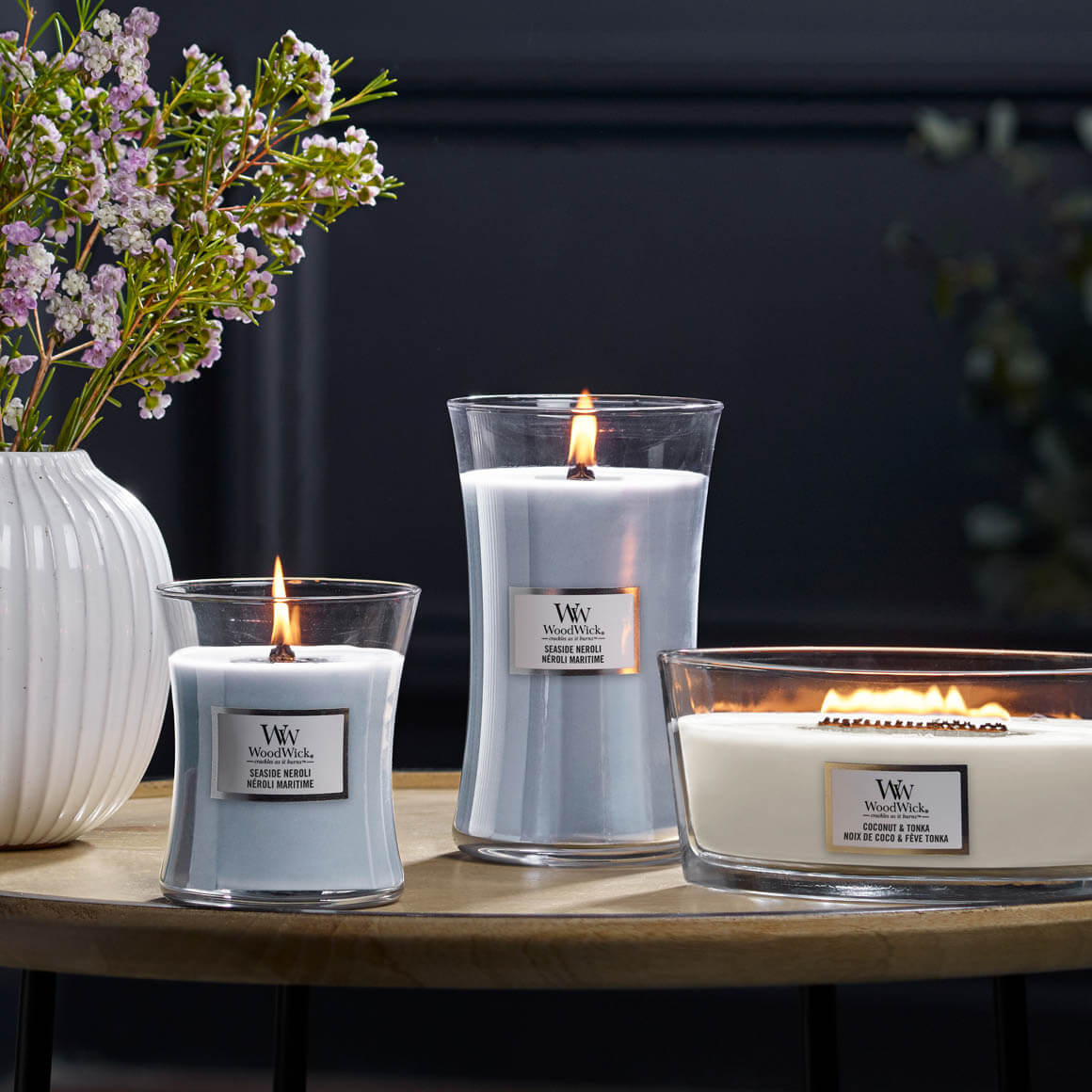
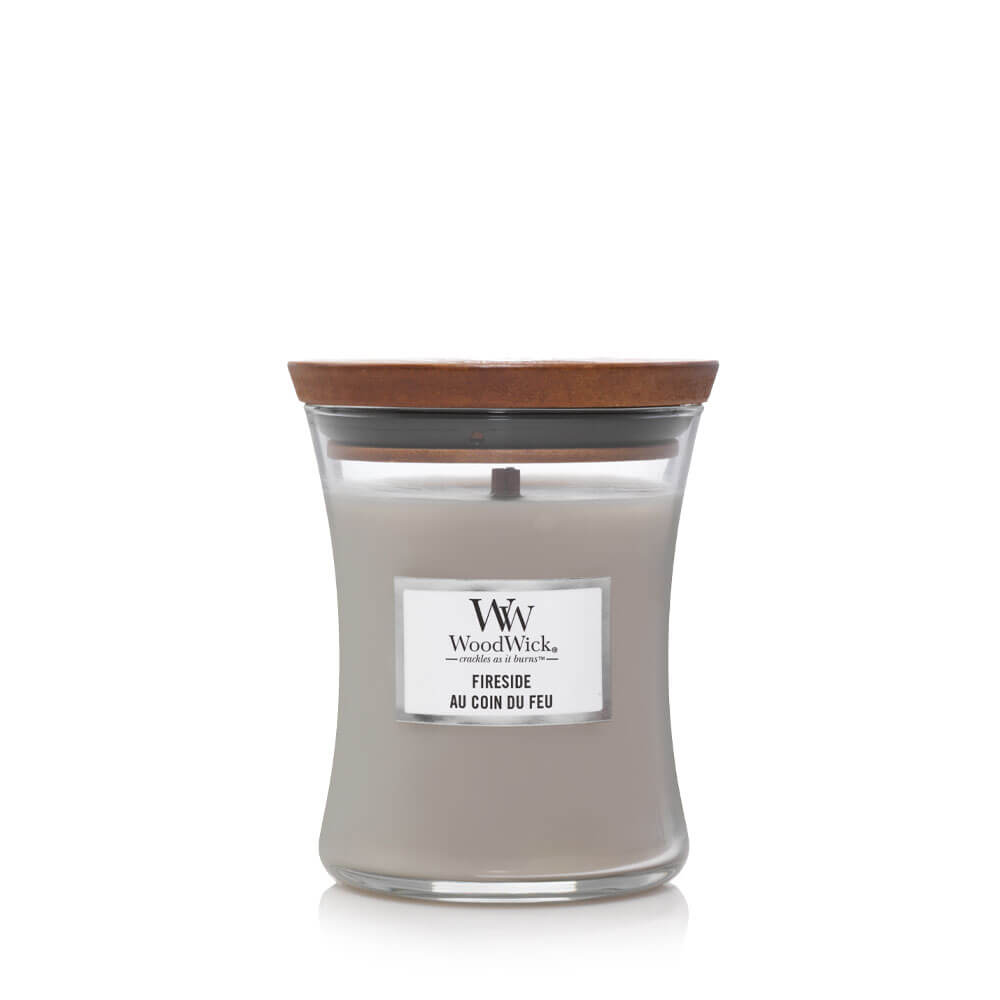
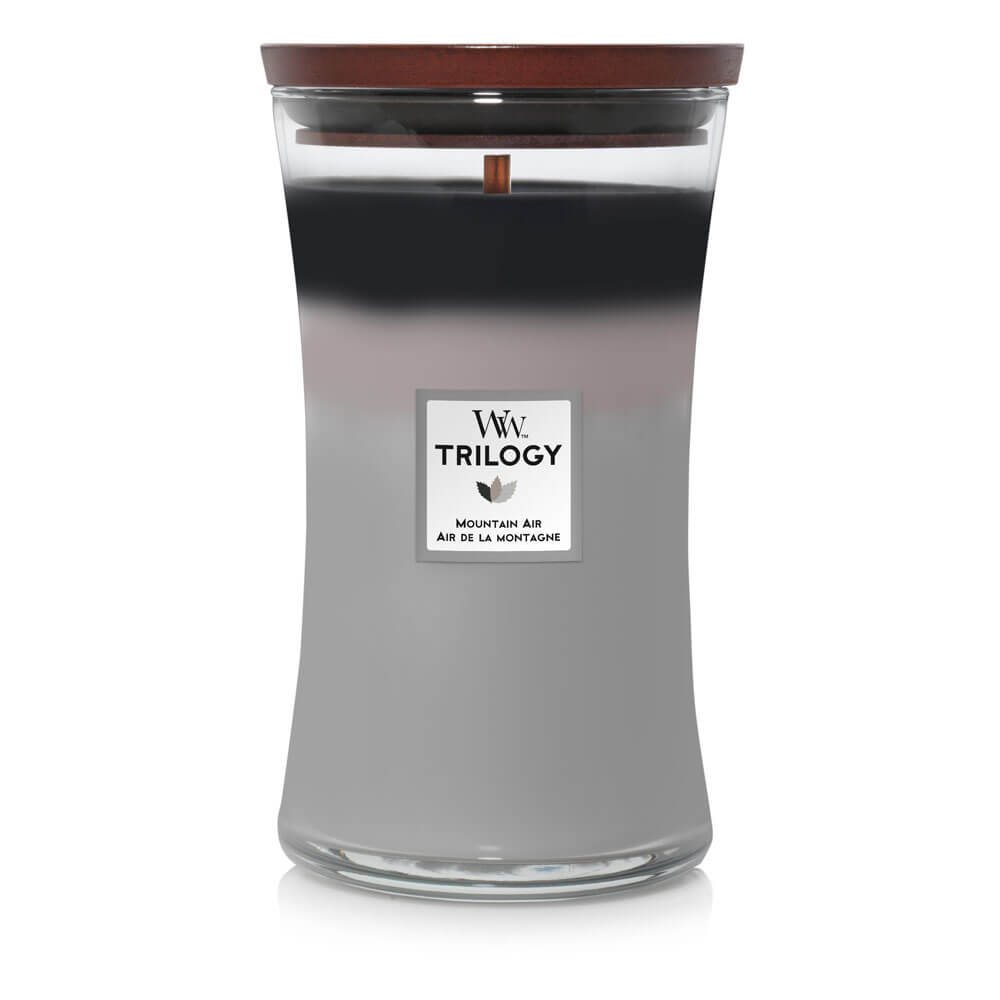
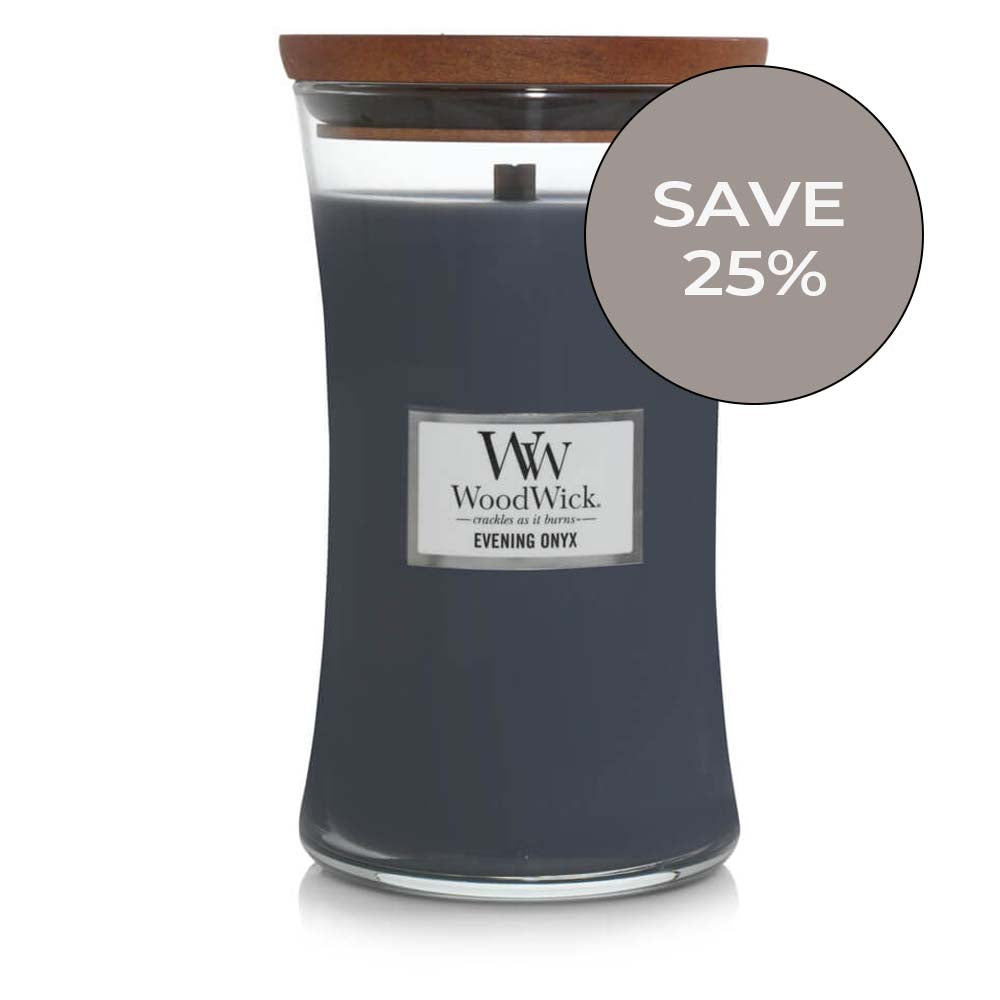
Woodwick - With natural wooden wicks, sophisticated fragrances and premium designs, provide a unique experience to indulge your senses. The exclusive Pluswick Innovation wick design creates a beautiful even burn and evokes the soft, distinctive sounds of a crackling fire.
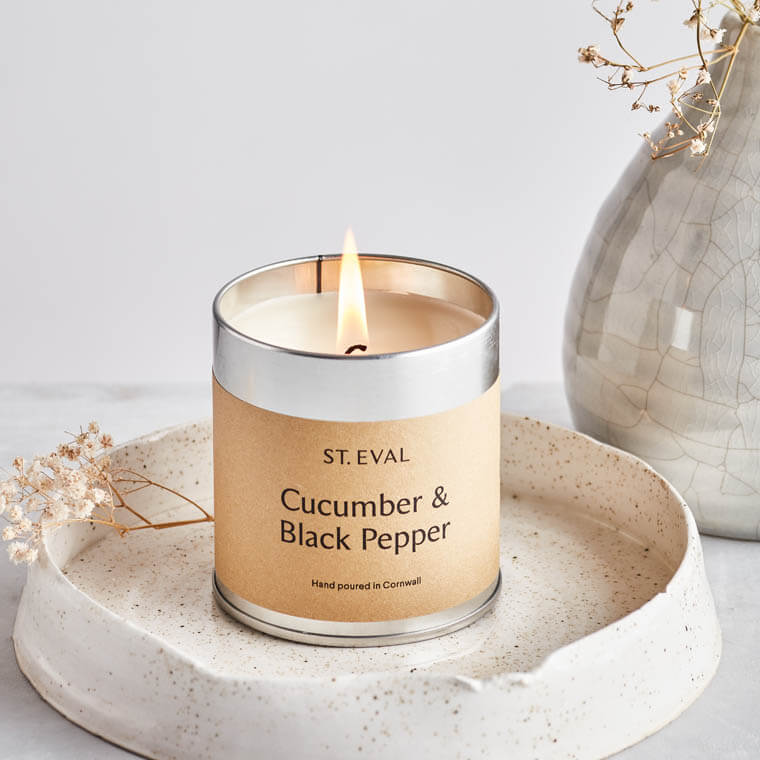
Reducing their impact on the environment. All their packaging is sourced from recycled materials. Focused on making the best quality candles & being carbon neutral in.
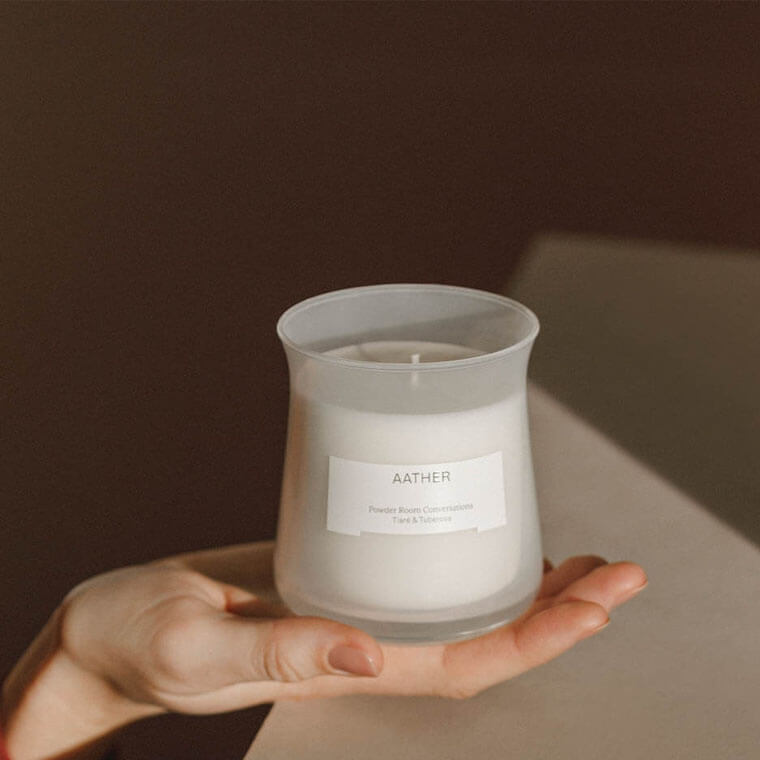
Designed an created by the founder of Candles Direct. Luxury Candles at an affordable price. Direct to you.
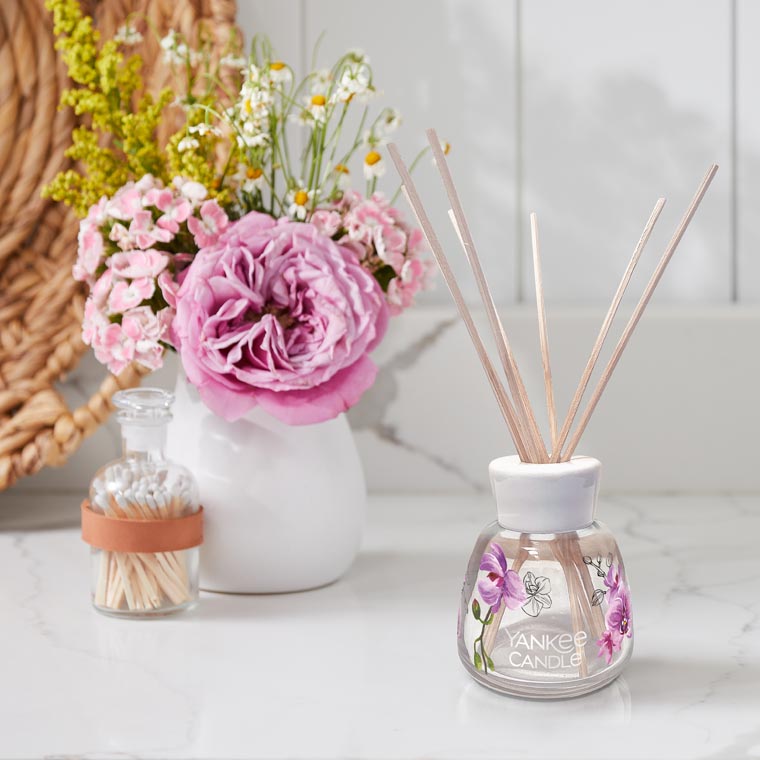
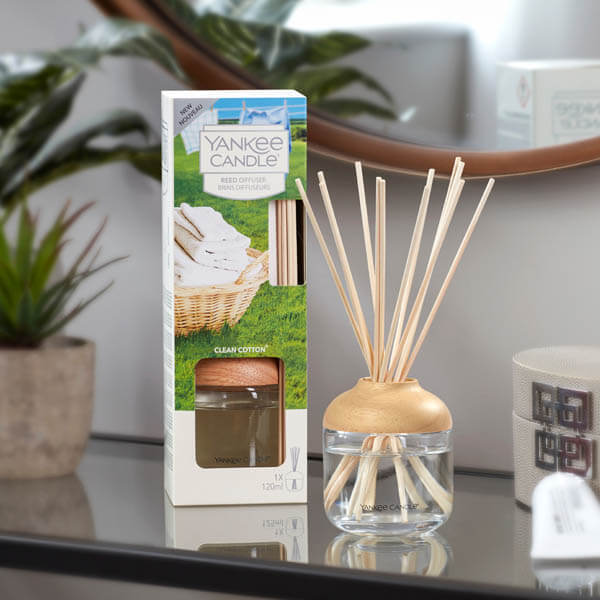
Fill any room with long lasting fragrance. Yankee Candle reed diffusers have the same long lasting fragrance that you love in their candles. These diffusers are perfect for entryways, offices, living rooms and more.